Collaborative Science and Peneira
Collaborative Science
Collaborative science, also called "citizen science," "community science," or "people-powered science," involves the entire society in advancing scientific knowledge by formulating research questions, collecting data, and interpreting results. This public participation in scientific research, when carried out in a school setting, is also known as "school science," although the term encompasses many more types of science in schools. It often arises to address issues of environmental justice and enables equal access to evidence-based decision-making.
Collaborative science harnesses the collective power of communities and the public to identify research questions, collect and analyze data, interpret results, make new discoveries, and develop technologies and applications — all to understand and solve problems affecting society.
About Peneira
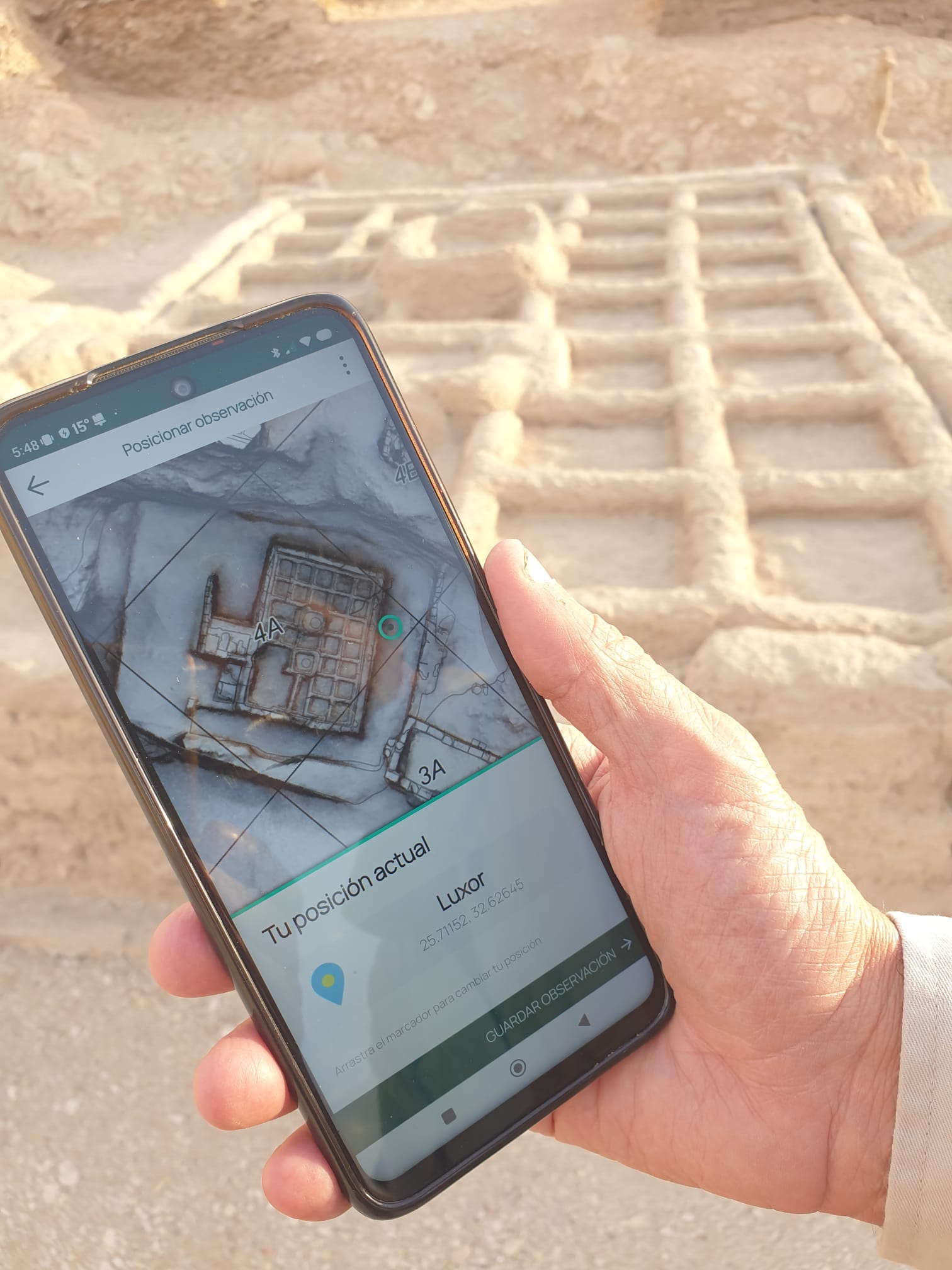
Peneira is a free web and mobile tool created by the Galicia Supercomputing Center Foundation (CESGA) in Spain for Citizen/Collaborative Science and School Science. Peneira enables the creation of collaborative projects, as well as the collection of multimedia field data in a simple way using mobile devices, allowing subsequent download of this data.
-
In an educational context, Peneira allows teachers to create small, collaborative, multidisciplinary educational projects from the web so that their students can collect data outside the classroom according to their instructions, and then analyze it in the classroom context. From collecting data on local architectural or musical heritage, natural species, water quality, or the services available in the municipality... the possibilities are as many as your ideas! Peneira also features social tools that allow you to comment on captured data within the group, as well as share it individually. It also allows teachers to contact the group of students during a joint data collection (on a school field trip, for example) and send them messages or know their location.
-
In a scientific context, Peneira enables the creation of a data collection project among several people or groups distributed across the territory. The download of this data is done in standard formats such as CSV, JSON, or GeoJSON for later work, analysis, etc.
The multimedia content collected with Peneira, such as texts, photos, audio, and videos, records the location on the map automatically or manually via mobile, tablet, or computer.
Security and data
Where is the data stored?
Peneira is hosted on the servers of CESGA in Santiago de Compostela. We have strict policies for the protection of personal data and data hosted on our services.
For use in a school context, Peneira allows creating user accounts without an email address, using a non-nominal user identifier (for example, "Student20school") to facilitate the anonymization of data for underage students. For more information, visit the "User management" section.
Peneira user agreement and privacy policy
Peneira is an open and free platform created by the Galicia Supercomputing Center to support Collaborative Science and School Science. It allows generating projects and collecting data easily through mobile devices.
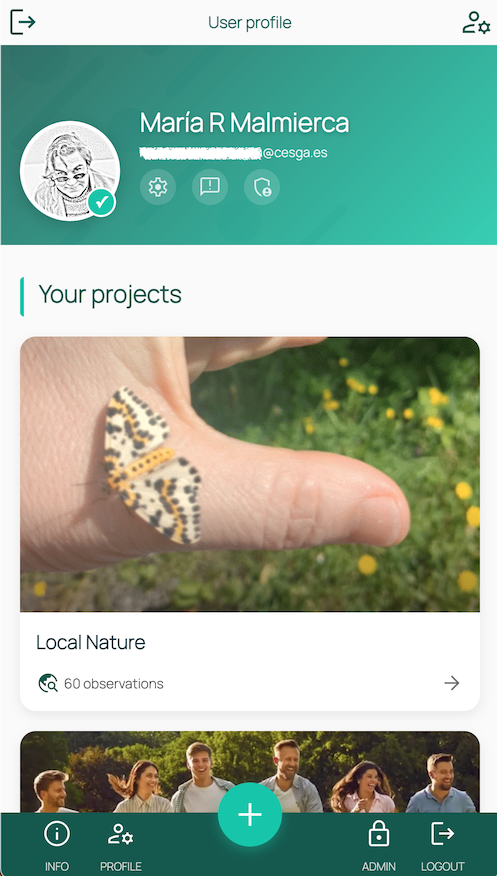
For the use of the tool, minimal personal data of the project creator is collected (name, email, and optionally, photograph), which is subject to our privacy policy https://www.cesga.es/politica-privacidad/. However, as indicated above, it is possible to create participant accounts in the project without email and with generic names, for example, for underage students.
On the other hand, the data collected in projects created in Peneira is the property and responsibility of the user, who must comply with the general policy of appropriate use of CESGA services.
How to protect the data of students/users?
As detailed in the "account types" section, student/user participation accounts can be anonymous, so their personal data is not compromised, nor is it necessary to have an email address for them.